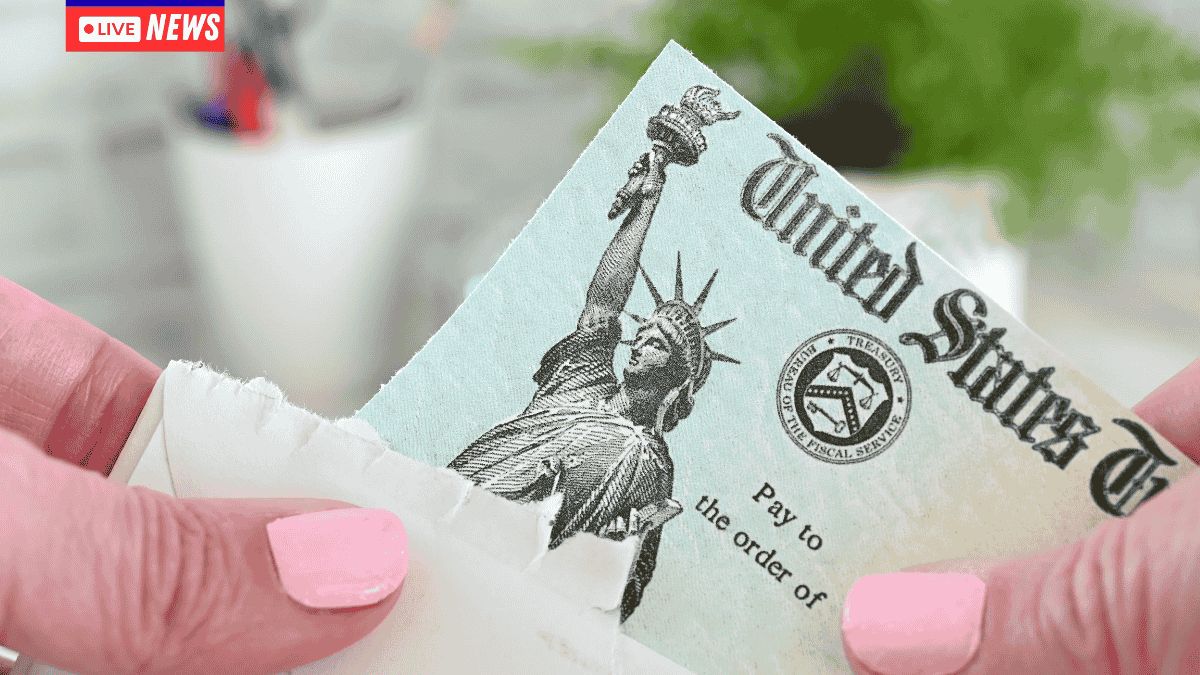
IRS $2,000 Direct Deposit Jan 2026: The IRS $2,000 direct deposit scheduled for January 2026 has gained widespread attention across the country. Many households are still dealing with high prices for groceries, rent, fuel, and healthcare. At the beginning of the year, financial pressure often increases due to holiday spending and winter utility bills. This one-time payment is designed to provide short-term financial relief to eligible low- and middle-income Americans during one of the most expensive months of the year.
Unlike regular tax refunds that follow the annual filing season, this payment is being issued separately. Federal officials have indicated that the goal is to send the money quickly without requiring people to complete a new application. By using information from previously filed 2024 or 2025 tax returns, the IRS can identify eligible taxpayers and process payments faster. Direct deposits reportedly began rolling out around January 12, 2026, with funds being released in phases.
Why January Is a Financially Difficult Month
January is often considered one of the hardest months financially for many families. After December holiday expenses, credit card balances usually increase and payment due dates arrive quickly. At the same time, heating costs tend to rise during winter, and regular monthly bills such as rent, insurance, and loan payments continue without pause. For families living paycheck to paycheck, even a small gap in income can lead to borrowing or delayed payments.
यह भी पढ़े:
 $2,000 Direct Deposit February 2026 Explained: Eligibility Criteria, Payment Timing, and Updates
Financial experts explain that a timely payment at the start of the year can prevent people from turning to high-interest credit cards or short-term loans. A $2,000 deposit may not solve long-term cost-of-living problems, but it can provide breathing room. It can help families cover urgent expenses, pay down debt, or avoid late fees. Compared to broader pandemic stimulus checks, this payment is smaller and more focused on immediate relief.
Who May Qualify for the $2,000 Payment
Eligibility for the January 2026 direct deposit is based mainly on income information reported on recent federal tax returns. Individuals and families must have a valid Social Security number and must have lived in the United States for at least part of 2025. The IRS is reviewing tax records automatically, which means most qualified taxpayers do not need to submit additional paperwork.
Income limits vary depending on filing status. Single filers, married couples filing jointly, and heads of household may have different thresholds. Families with dependents could receive adjusted amounts based on household size. In some cases, taxpayers slightly above the main income limit may qualify for a reduced payment under a phase-out structure. Filing accurate and updated tax returns is important, as incorrect bank or dependent information could delay processing.

How and When Payments Are Being Sent
According to the announced timeline, direct deposits began around January 12, 2026. Payments are being distributed in stages to manage processing volumes and reduce technical issues. Taxpayers who previously received refunds by direct deposit are likely to see the money arrive more quickly. In many cases, funds may appear within a few days of issuance, depending on the bank’s internal processing time.
Those who do not have direct deposit information on file may receive paper checks by mail. Mailed payments usually take longer because of printing, shipping, and local postal delivery times. Banks also vary in how quickly they make funds available once received. For this reason, small delays of several days are considered normal during large federal payment rollouts.
Economic Effects of the One-Time Relief
Economists expect that most of the $2,000 payments will go toward essential expenses. Families are likely to use the money for rent, groceries, utilities, medical bills, and debt repayment. Unlike earlier stimulus checks that boosted consumer spending on non-essential goods, this payment is expected to strengthen household stability rather than retail demand. Many recipients may prioritize catching up on overdue bills instead of making new purchases.

Community advocates believe that even temporary financial support can prevent serious hardship. Avoiding missed rent or utility payments can reduce stress and prevent larger financial problems later. However, some critics argue that one-time payments do not solve deeper issues such as housing shortages, medical costs, and wage growth. While helpful, this relief measure is viewed as a short-term solution rather than a long-term economic reform.
Looking Ahead and Avoiding Delays
Most eligible taxpayers are not required to take additional action to receive the payment. However, reviewing personal details such as bank account numbers, mailing addresses, and dependent information is strongly recommended. Mistakes in previous tax filings have caused delays in past relief efforts. Ensuring that records are correct can reduce the risk of returned deposits or payment holds.
Tax professionals also encourage individuals to rely on official updates from IRS.gov instead of social media posts. During large-scale federal payment programs, misinformation can spread quickly. Verifying details through official channels helps taxpayers understand timelines and eligibility requirements clearly. Taking a few minutes to confirm accurate information can prevent confusion and unnecessary stress.
यह भी पढ़े:
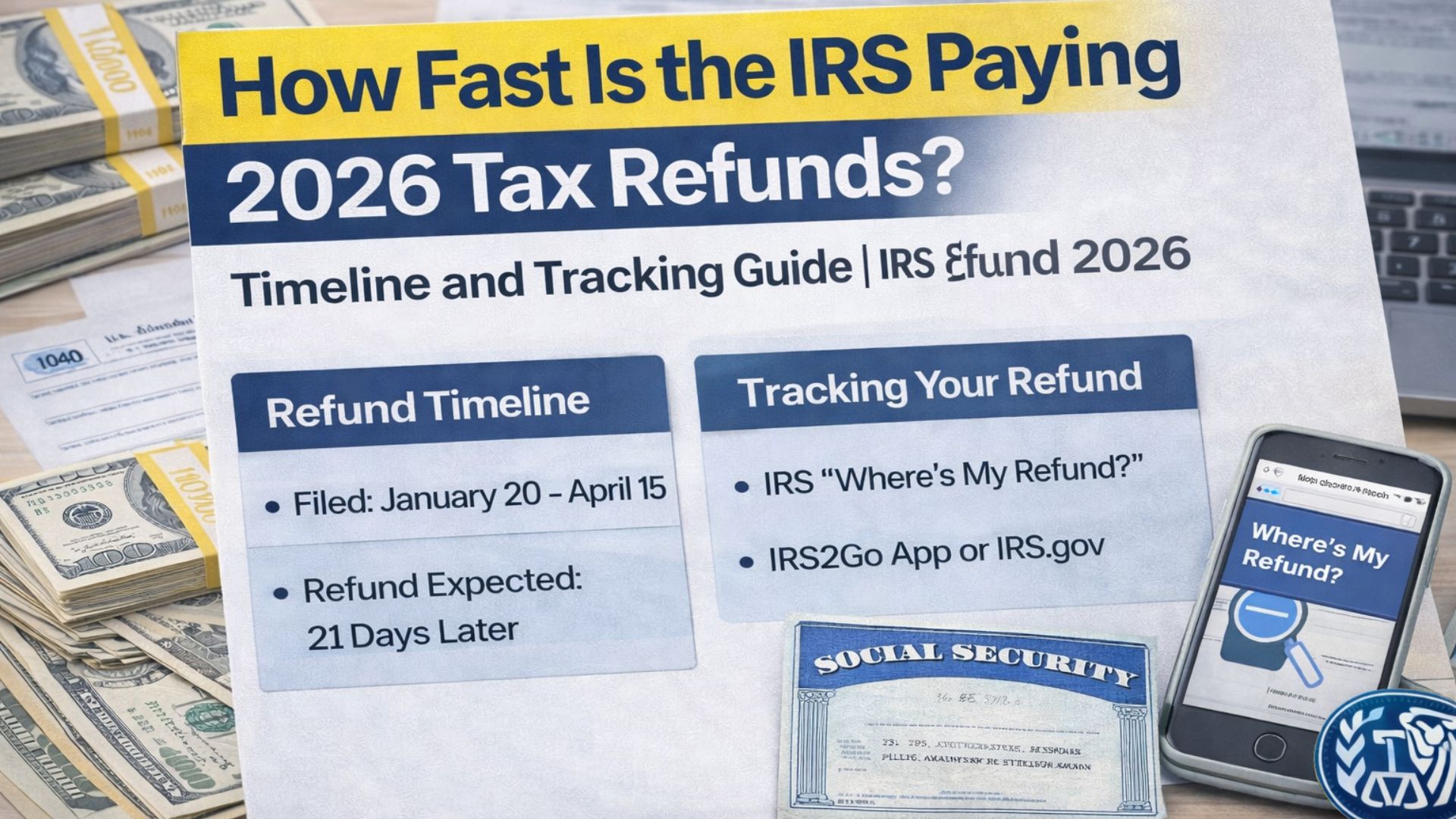
 IRS Tax Refund 2026 Guide: Processing Timelines, Key Rules, and What Taxpayers Should Expect
The IRS $2,000 direct deposit in January 2026 is intended to provide targeted, short-term financial relief at a time when many families face increased expenses. By using existing tax data, the government aims to deliver payments efficiently without creating additional paperwork. While the payment may not address long-term cost challenges, it can offer meaningful support during a financially demanding month.
Disclaimer: This article is for informational purposes only. Details about the IRS $2,000 direct deposit in January 2026, including eligibility rules, income limits, and payment dates, are subject to official confirmation and possible changes. Individuals should verify information through IRS.gov or consult a qualified tax professional for advice based on their personal situation.