Federal $2,000 Payment Coming February 2026: In early 2026, talk of a possible $2,000 federal payment has once again spread quickly across social media and financial websites. Many Americans are facing continued pressure from high living costs, even though overall inflation has slowed compared to previous years. Rent, insurance, healthcare, and food prices are still challenging for households, especially retirees and people living on fixed incomes. Because of this financial strain, any news about a government relief payment gains attention very fast.
However, much of the information being shared online has created confusion. Some posts claim that checks are already scheduled for February 2026, while others suggest that eligibility lists are complete. At this time, there is no officially approved law authorizing a nationwide $2,000 federal payment for February. Understanding the difference between public discussion and official action is important for families planning their budgets.
Why the $2,000 Payment Idea Is Being Discussed Again
The idea of another relief payment did not appear suddenly. Over the past year, economic reports have shown that while inflation has cooled overall, the cost of daily essentials remains high. Housing expenses in many cities have not dropped significantly, and utility bills continue to fluctuate due to energy market changes. Grocery prices may not be rising as fast as before, but they are still higher than they were a few years ago.
यह भी पढ़े:
 $2,000 Direct Deposit February 2026 Explained: Eligibility Criteria, Payment Timing, and Updates
Lawmakers have acknowledged that official cost-of-living adjustments in benefit programs sometimes lag behind real household expenses. As a result, temporary financial support is being discussed as a possible short-term solution. Policy experts explain that one-time payments are often easier to negotiate than long-term spending increases. They allow lawmakers to respond to economic pressure without committing to permanent budget changes.
No Official Approval Has Been Granted
Despite strong online rumors, there is currently no enacted federal law approving a $2,000 payment for February 2026. For any federal payment to happen, Congress must pass legislation and the president must sign it into law. Only after that process can agencies such as the U.S. Treasury or Social Security Administration begin preparing payment schedules. So far, no such approval has taken place.
Government agencies have not released any official statements confirming a February distribution. Viral posts often use old images or recycled graphics from pandemic-era stimulus programs, which can make the information look real. Financial counselors warn that relying on unverified claims can cause households to make risky decisions. Planning expenses around money that has not been approved can create serious financial problems.

How This Situation Differs From Pandemic Stimulus Checks
It is natural for people to compare this discussion to the stimulus checks issued during 2020 and 2021. At that time, large parts of the economy were shut down, and broad financial support was considered necessary to stabilize the country. Those payments were sent to a wide group of Americans and were part of emergency economic packages.
Today’s policy conversations are different. Lawmakers are not discussing a universal check for everyone. Instead, some early discussions focus on targeted relief for specific groups that may still be struggling with higher living costs. Governments have become more cautious about broad stimulus because of concerns about federal deficits and long-term inflation. As a result, any potential program would likely be more limited in scope.
Possible Groups That Could Be Considered
If a $2,000 payment were eventually approved, early discussions suggest that it might rely on existing federal benefit systems. Groups often mentioned in policy conversations include Social Security retirees, Supplemental Security Income recipients, individuals receiving disability benefits, and certain veterans. Using these established systems would allow the government to distribute funds more efficiently because eligibility data is already verified.

However, it is important to remember that these ideas remain hypothetical. There is no confirmed eligibility chart, no finalized income limits, and no approved payment date. Lawmakers could also consider adding income thresholds or residency requirements if a proposal moves forward. Until formal legislation is introduced, debated, and passed, these details remain only discussion points.
Why a One-Time Payment Can Still Make a Difference
Even though a single payment cannot solve long-term economic challenges, it can provide short-term relief. For families facing overdue rent, rising medical bills, or credit card balances, a lump sum of money can help reduce immediate financial stress. It may prevent late fees, reduce debt, or cover essential expenses during a difficult month.
Community organizations often note that temporary support can also improve household stability. When families are less stressed about urgent bills, they are better able to focus on work, education, and health. While structural issues such as housing affordability and healthcare costs require long-term solutions, short-term aid can still play a supportive role in difficult times.
यह भी पढ़े:
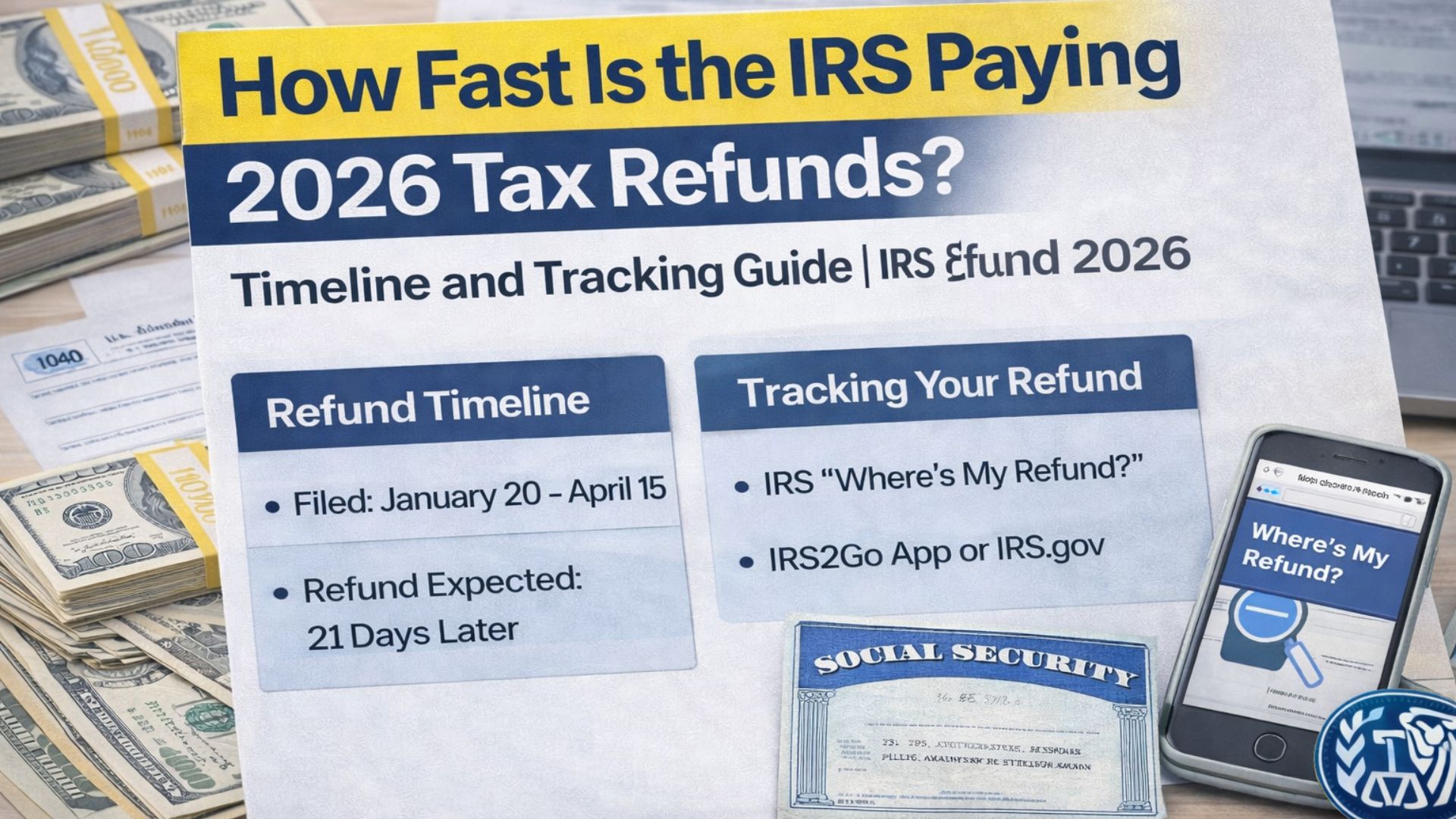
 IRS Tax Refund 2026 Guide: Processing Timelines, Key Rules, and What Taxpayers Should Expect
What Needs to Happen Before Any Payment Is Sent
For a federal payment to become reality, a formal bill must first be introduced in Congress. The proposal would go through committee reviews, budget analysis, and votes in both the House and the Senate. Lawmakers may amend the bill during this process, changing the payment amount or eligibility rules. Only after final approval and a presidential signature would federal agencies begin preparing payment systems.
Political factors can influence how quickly or slowly such proposals move forward. Budget debates, election cycles, and other legislative priorities may delay progress. Until a bill is signed into law and officially announced, no payment schedule can be considered confirmed. Families should therefore wait for updates from trusted government sources.
Conclusion
The discussion about a possible $2,000 federal payment in February 2026 reflects ongoing financial pressure faced by many American households. While policy conversations are taking place, there is no official approval at this time. Online rumors should not be treated as confirmed information. Understanding the legislative process and waiting for official announcements can help families make responsible financial decisions.
Disclaimer: This article is for informational purposes only and does not provide financial or legal advice. Any potential $2,000 federal payment would require formal approval by Congress and confirmation by federal authorities. Readers should verify updates through official government sources before making financial decisions or sharing personal information.