IRS Confirms February Refund Date Shock: The February refund season is now moving forward, and many taxpayers are checking their refund status daily. Early filers who submitted their returns in late January or early February are beginning to see updates. As deposits start appearing in bank accounts, questions about confirmed refund dates and possible delays are increasing. Understanding how the IRS timeline works can help reduce confusion during this busy tax period.
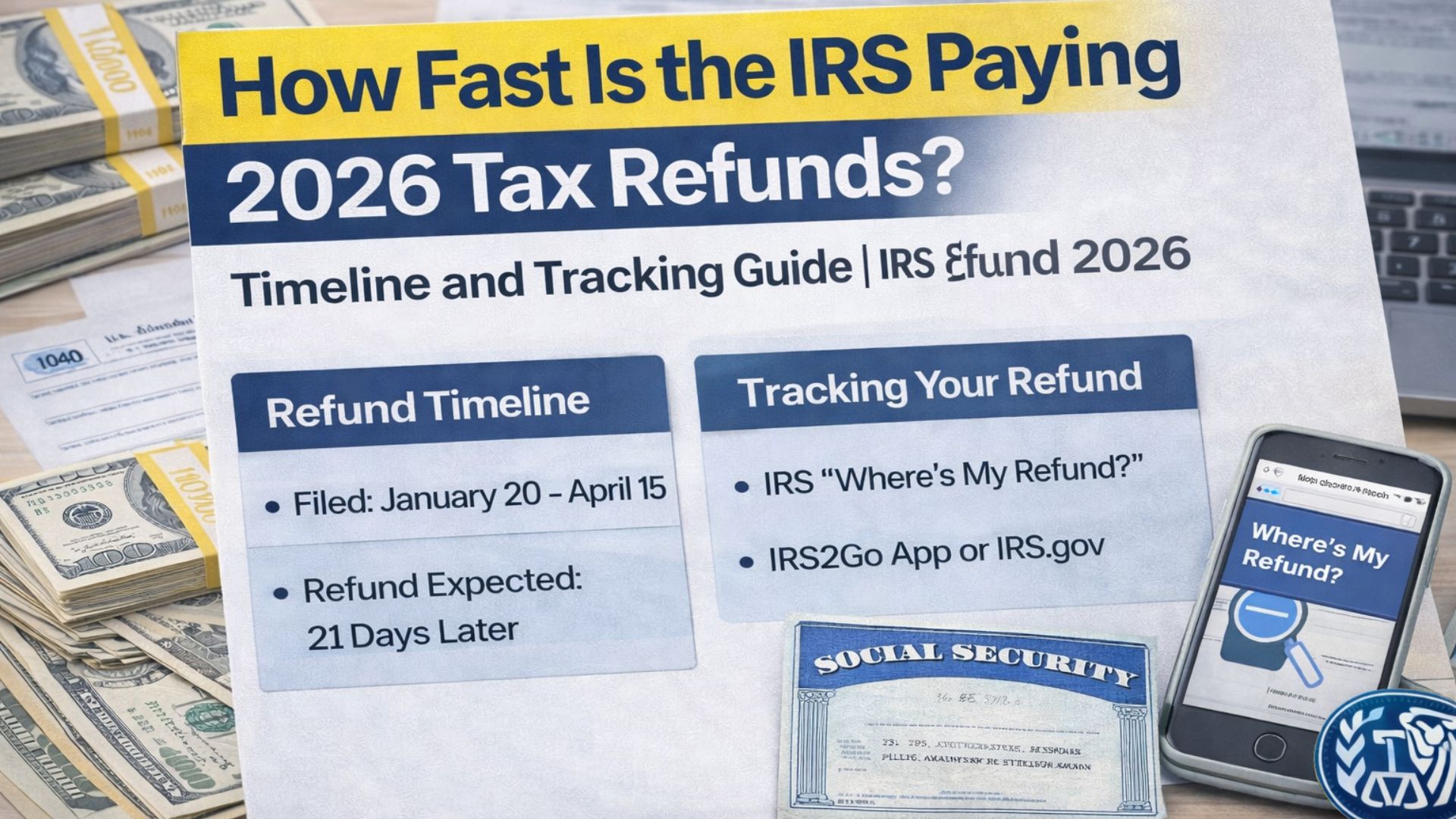
The Internal Revenue Service has confirmed that most electronically filed returns with direct deposit are processed within about 21 days after acceptance. It is important to remember that this timeline begins only after the return is officially accepted, not when it is first submitted. Many people misunderstand this step and expect the countdown to begin immediately after filing. The acceptance notice is what officially starts the processing window.
For taxpayers whose returns were accepted in late January, refunds may begin arriving by the middle of February. Those accepted in early February could see deposits closer to the end of the month. These estimates apply mainly to electronic filers who selected direct deposit and whose returns did not contain errors. Returns that require additional review may take longer, even if filed early.
Electronic filing continues to be the fastest and most efficient method. When combined with direct deposit, it reduces manual handling and mailing time. Once the IRS marks a refund as sent, banks typically post the deposit within one to three business days. However, individual financial institutions may vary slightly in how quickly they release funds to customers.
Paper filed returns follow a much slower process. These returns must be manually opened, reviewed, and entered into the system before processing begins. After approval, a paper check must be printed and mailed, which adds additional time. Because of these extra steps, taxpayers who file by mail often wait several weeks longer than those who file electronically.
Taxpayers who filed early, entered accurate information, and selected direct deposit have the highest likelihood of receiving their refund in February. Accurate reporting of income, correct Social Security numbers, and matching bank account details are essential. Even small errors can cause delays that push refunds beyond the expected 21-day timeframe. Careful review before submission is one of the best ways to avoid processing problems.
Some returns may require additional verification, especially those claiming refundable credits. Extra review does not automatically mean something is wrong. The IRS uses standard procedures to confirm eligibility and prevent fraud. In these cases, processing may take a few extra days or weeks depending on the situation.
The IRS provides official tools that allow taxpayers to track refund progress online. Status updates are usually available within 24 hours for electronic filings and may take longer for mailed returns. The tracking system generally shows three stages: return received, refund approved, and refund sent. Once the refund is marked as sent, the final timing depends on the taxpayer’s bank.
There are several common reasons why a refund might be delayed. Incorrect Social Security numbers, mismatched income details, or wrong direct deposit information can slow processing. Identity verification requirements may also pause a return until additional confirmation is completed. In some situations, outstanding debts or credit adjustments can affect the final refund amount or timing.
The confirmed February processing window is encouraging news for many early filers. However, each taxpayer’s timeline depends on individual circumstances. Filing method, accuracy of information, and whether additional review is needed all influence when the money arrives. Understanding this process helps manage expectations and reduces stress during tax season.
For taxpayers waiting on their refund, patience and regular monitoring through official IRS channels are key. Checking status updates directly from the source prevents reliance on rumors or misinformation. Tax season can feel overwhelming, but knowing how the system works provides clarity.
Conclusion
The IRS has confirmed that February refunds are being processed on schedule for many early filers. Most electronically filed returns with direct deposit are issued within about 21 days after acceptance. While many taxpayers may receive their refunds in February, individual timelines can vary depending on specific tax details. Staying informed and ensuring accurate filing information are the best steps to receive your refund as quickly as possible.
Disclaimer: This article is provided for general informational purposes only. IRS refund processing times and payment dates vary based on individual tax situations. Taxpayers should rely on official IRS sources for the most accurate and updated information.